


Confessions From The IT Department
Have you ever wondered: what does the IT department do? Often, we only interact with IT when there is something wrong with our computer, network, or operating system, and we need it fixed immediately.
Perhaps you've sent an email to someone in the IT department, hours have passed, you still have no solution, and the whole situation is frustrating. What is it that they are working on and why does it seem like IT and the rest of the office aren't on the same page?
The goals of the IT department and the rest of the office are different, and can often be misunderstood. Aaron Levie, the founder and CEO of Box.net, has found that the IT department strives to: "…implement the fewest solutions to solve the greatest number of problems…answer to expectations around cost and risk, deploy proven solutions. These are fundamentally at odds with the correlated goals of users: use best-of-breed technology to solve problems…answer to the productivity expectations of their manager(s), move quickly by using the fastest, most intuitive new tools.
Here are 5 things that your IT department would like you to know to help you and the rest of your office bridge the gap, create better understanding of how both roles can support each other, and increase worker productivity.
1. We're on the same team.
IT departments are often kept physically apart from the rest of the team to maintain the office servers, and this causes a physical and psychological drift from the rest of the company. Since many of our requests from the IT department are often met with a resounding "no," this creates tension between departments. However, many of our problems do not stem from IT. The IT department would like newer computers, updated software, and the flexibility to let you use some of your favorite apps. However, budgetary constraints, company security, and direct orders from managers prevent them from fulfilling these requests. At the end of the day, the IT department wants to support you in your role, and the whole office is on the same team.
Workplace Expert Tip
Include your IT department on updates by submitting office IT tickets in advance and letting them know about office moves or reconfigurations ahead of time. When they have their hands full, reach out to our dedicated IT relocation team for help.
2. The IT department does not have superpowers.
You have the power to troubleshoot yourself. We've all been guilty of calling the IT department when our computer has frozen or our printer stops working— before we've actually tried to fix it ourselves. Follow the prompts that the computer has given you or reboot it before calling IT. The IT department may be rolling out a new email system or trying to fix a bug that is creating network problems, and distracting them from their workload slows down the productivity of the whole office.
3. We go unnoticed when we're doing our job best.
Craig Leinoff, a programmer at the United Nations says, "Whether it's rolling out a new software update or mail server, these are things that employees never feel as a success to the IT world. The IT worker's job is the same as everyone else's— it's to ensure the success of the company, but we go unnoticed if we're doing our job correctly. As soon as it doesn't work perfectly, it's IT to blame." Most of the time, your network and computer are working the way that they should be. This is because the IT department is constantly working on software updates, implementing server upgrades, and making changes. The IT department makes it easier for you to use the tools that you need to get your job done efficiently. So, have patience with the IT department when a small glitch does arise.
4. Do not underestimate security.
Manish Champsee, web developer of Champsee Solutions says, "It's not until after security has been compromised or something bad has happened that most people realize its importance. Things like good passwords, updating software, and taking a system down for maintenance. Sometimes it can be an inconvenience to make sure that the infrastructure is secure, but it's important." If the IT department asks you to create separate passwords for all of your different accounts and not to download apps onto your office computer, respect their requests. A major security hack can take days for the IT department to repair, and in the meantime create major network operational problems.
5. There is a lot on our plate.
On any given day, each member of the IT department has 5-6 tasks on their to-do list and is given 4-7 tasks additionally by other team members. This does not take into account unexpected network problems or major security issues. If IT does not respond to your inquiry immediately, it is because they are working on something else. Do not take this personally, and understand that they will get to you in a timely manner.
Expert Tip
When having an issue, it is important to e-mail your companies help desk e-mail instead of e-mailing multiple employees in the IT department.
We hope that you have a better understanding of the challenges that IT faces everyday. Working together with IT helps increase office efficiency, especially when your business is going through important changes like reconfiguring, decommissioning, or moving. Corovan's trained technicians can help support your team to ensure that all electronic equipment is handled carefully and can transition smoothly back to work. We can move offices of 20 to 2000 in a single weekend. This way, you can have email, printers, and infrastructure running smoothly on Monday.
Learn More: Technology Change Solutions


How Successful Companies Get Their Dream Office
Successful businesses have proven that when it comes to planning your next big move, timing is everything. To continue to grow, you need to plan ahead and have the foresight to work on your next big steps.
In a recent article for Entrepreneur Magazine, Mark Henricks writes, "While moving carries risks, a move can be one of the best things you ever do for your business." While risk is inherent in every step of important decision-making, realize that by relocating you are creating the space for your business to become even more successful.
Here are five tips to making your next big move a reality:
1. Invent a New Market
Know your niche. Learn you market and hone in on what your business does differently. By separating yourself from other businesses, or by going after an underserved market, you create a new market for your product and allow room for your business to expand and grow.
2. Tighten Your Expenses
Watching your wallet doesn't mean skimping on company meals; it requires more research and innovation. Are you paying to use software that you could find cheaper as an app on the Internet? Could you restructure the jobs of your current employees to make your workplace more efficient? Think about your day-to-day costs and research to find the most cost-effective solutions. Start saving and be conservative with your spending; this will help leave some extra cash for when you need it.
3. Have A Plan
Whether you're thinking of moving to a part of town with more foot-traffic, or moving halfway across the country for cheaper rent, creating a plan is key. Sharon K. Ward, an economic development consultant in Allentown, Pennsylvania says, "You would not want to move to find a well-qualified work force only to find that it's worse in your new location." Visit new locations frequently, contact brokers to learn the pros and cons of moving to different neighborhoods, and discuss your unique business needs with your team.
4. Don't Wait Too Long
While you certainly do not want to rush into your next move, make sure that you take finding a new space seriously and do not put off the planning process. If your employees have to work in cramped conditions, or open workspaces, this decreases worker productivity and increases stress levels in your workplace. By being proactive, researching your options, and looking at spaces in advance, you are manifesting the space that you want to grow into.
5. Maximize Your New Space
While looking at new spaces, imagine ways that you can maximize your space. For example, creating a lunchroom or designated meeting areas for more employee interaction and collaboration. A recent article by American Express suggests the following steps to maximize your office space: take advantage of paperless systems to decrease the need for file cabinets, declutter the office with "extra stuff" that you have no immediate need for, and choose smaller, more efficient furniture pieces to make more room in your office. This way, your new workspace will give a clean, streamlined, and professional appearance to workers and potential clients, and your business will continue to flourish.
By honing in on your market, researching and planning for a new location, and saving along the way, you will be able to upgrade to your dream office. The money that you save on your daily expenses is money that you can invest in your future space, and to keep in reserve, just in case things don't go according to plan.
Making Your Next Big Move A Reality
An important part of realizing your dream is to start the process of researching your options, and looking into new spaces. If you are looking for planning tools, project managers, and ways to save time and money, Corovan can help. Our team of moving experts can help successful companies meet their goal of upgrading to a bigger office. We also offer space planning, furniture, and storage solutions that make it fast and easy to relocate.

Is Starbucks the New Office?
You may think that long work hours means you are getting more done. But, in fact, the later it gets in the workday, the more difficult it is to focus, and the easier it is to make mistakes.
Look around your office. Are your employees engaging with each other, working on the next creative project, being productive, and most importantly: do your employees enjoy being there? Or, as a recent LinkedIn article suggests, do your employees wish that they were working somewhere else (anywhere else!)? Would they prefer the freedom to do what they want, schedule their own tasks, and enjoy the casual meets social atmosphere of a coffee shop?
In Chris J. Reed's article, 5 Reasons Why Starbucks is the Only Office You Need, he makes a clear argument against the office. The CEO of a Multinational Corporation in Singapore, he prefers to work at Starbucks instead of the office because it cuts down the costs of paying for a physical workspace, studies have proven that, in his words, "low level of noise and casual movement" boosts productivity, and the atmosphere at Starbucks encourages collaboration with others and fosters creativity.
So, does that mean you should ditch your office? While it does seem that offices need to create a more flexible, friendly, and open environment for employees to do their work best, Reed's article inspired us to take a closer look at the office. What are the ways in which the office is still essential and how can we make the office better cater to our employees' needs?
Not All Employees Are Alike
While today's knowledge worker positions like copywriting, graphic design, or marketing require a fair amount of independence, and work can be done remotely, many positions at your company are inter-dependent and require collaboration. Take for example the role of an admin: the admin is there to support the leaders and the office in general. Everyday new projects and problems arise that cannot be fixed via Skype or email. When it comes to creative departments, they need to be able to bounce ideas off each other and use their colleagues as a springboard. Furthermore, many employees are task-driven and need direction from their leaders to inform them of their next assignment. Not everyone is great at prioritizing, and many find the structure of the office to be helpful.
Security and Privacy
Ask yourself: when it comes to private company information, conducting interviews, or trying to innovate a new product, do you really want a roomful of other people overhearing your conversation and innovative ideas? Perhaps you need to give your employee critical feedback or you need to have a confidential meeting, either way, privacy is key. The office allows you the flexibility to control what information is public versus private.
Not All Businesses Are Alike
Depending on your business, a coffee shop is the last place where you want to work. If your business is a law firm, tax agency, governmental agency, or you deal with Internet security, how could you possibly work in a public setting on unsecured wi-fi? In many cases, the coffee shop would inhibit you from doing your job well and put the confidentiality of your clients at great risk.
Every business, employee, and business focus are different, as are their needs. Because of this, the collaborative nature, structure, and privacy of the office are indispensible. At the same time, it is important to recognize your employees' needs for independence, create an environment that they want to work in, and encourage productivity and creativity. How can you do this in your office? Tune in next month to find out how you can make your office better cater to your employees' needs..
Read Part II: Replace Starbucks with your office

Create a Coffee Shop Atmosphere for Your Office
Last month, after reading 5 Reasons Why Starbucks is the Only Office You Need, we were inspired to take a closer look at the traditional office with Part I of our discussion, Is Starbucks the New Office? This month, we've created an action-plan for how you can give your workplace that coffee shop atmosphere: a place where collaboration, creativity and productivity prosper.
While coffee shops offer collaborative work environments at low costs; offices offer privacy, guide employees with structure, and also provide the space for collaboration. Which leads us to our next question: how can we create a work environment that combines the best that Starbucks and offices have to offer?
Often, office environments are far from being ideal, which can make employees feel like their office is a trap. According to Maria Konnikova in her article The Open-Office Trap of The New Yorker, "..though open offices often fostered a symbolic sense of organizational mission, making employees feel like part of a more laid-back, innovative enterprise, they were damaging to the workers’ attention spans, productivity, creative thinking, and satisfaction." So how can you avoid stress, distractions in the office, and instead encourage employee productivity? Here are some tips for creating the ideal office environment.
1. Office Café
Part of the allure for employees of the coffee shop is the opportunity to get away from their desk. But what if you brought the café to them? By creating a lounge area or community gathering space in your office, with access to good food and coffee, your employees are more likely to want to spend more time in the office. If they feel "stuck" at their desk, this offers employees the option to bring their laptops with them and work at a community table in a relaxing environment, giving them a change of perspective.
2. Encouraging Breaks Boosts Productivity
According to an influential article by Phyllis Korkki of the New York Times, "A growing body of evidence shows that taking regular breaks from mental tasks improves productivity and creativity — and that skipping breaks can lead to stress and exhaustion." While it might sound counter-intuitive that more breaks lead to more productivity, when you encourage your employees to take breaks more often, you are giving them space to mentally recharge and come back with new and improved focus.
3. Relax and Reward
By having a friendly, open door policy, workers perform better. Asking for employee feedback about employers or supervisors through surveys or one-on-one meetings is an effective way to gain respect from employees and build employee trust. You can also create incentives or ways of recognizing everyone's hard work, whether it's as simple as a weekly team lunch or a well-earned company trip. Open communication with employees increases employee loyalty, respect, and performance.
4. Designated Brainstorming Sessions
Since coffee shops are great spaces to do brainstorming, bring the concept of brainstorming to your office. Once a week, have an hour-long, team specific meeting where you can bounce ideas off each other. This creates a safe space for ideas, encourages your employees to think outside the box, and a new idea from one of your employees can lead to your company's next successful project.
5. Create the Coffee Shop Floor-plan
An open-floor plan, modern furniture, and common workspaces can help create the inviting atmosphere of a coffee shop. Adding color to your walls and vibrant accents give your office a life of its own and creates an environment where your employees' productivity can thrive.
Get Started
Looking for a sleek way to modernize your employees' workstations? Corovan recently installed these stylish and space-saving desks for a software client in San Diego, while also incorporating office furniture to make the most of their workspace. Take a look!
As an employer, the more you respect your employees' needs for independence, encourage new ideas, and give your employees the space to grow, the more productive they will be. By creating relaxing environments, encouraging regular breaks, establishing designated brainstorming sessions, and regularly rewarding employees, you are building employee trust, confidence, and loyalty. Soon, employees won't be thinking of ditching the office for the coffee shop, because everything that they need to be successful can be found right where they work.
Read Part I: Is Starbucks the New Office?

Effects of Long Work Hours on Employee Productivity
You may think that long work hours means you are getting more done. But, in fact, the later it gets in the workday, the more difficult it is to focus, and the easier it is to make mistakes.
From typos in memos, to sending emails to the wrong clients—it is a physical reality that your brain is not a multi-tasking machine: it needs rest! A recent article in the Atlantic explores the six-hour workday and its roots in the famous Kellogg factory in Sweden. The city of Gothenburg is the new laboratory for a six hour workday, and has "proposed a year-long trial that would divide some municipal workers into a test and control group at the same pay rate, with the test group working six-hour days and the control group working the traditional eight." The idea is to test if working fewer hours will increase employee productivity, result in less sick days, and improve employee happiness.
Is a shorter workday ideal for your business?
Just as there is evidence that the six-hour workday can make workers more efficient, shorter work hours have detrimental effects as well.
- For starters, not all employees are good at prioritizing tasks, working independently, and delivering quality work on a tight deadline. And, depending on the line of work, shorter work hours are not actually possible.
- When it comes to customer service or sales, it is important that your employees are available when a client wants to make a purchase or has a question.
- Leadership and management positions also require the ability to work extra hours, travel, and do what needs to get done to bring your business to the next level.
- Working fewer hours does not necessarily mean less-stressful work condition. In fact, working within a more limited timeframe can add more stress to the workday. By trying to cram all of the tasks, projects, and meetings required of a longer workday into fewer hours, you may be setting yourself and your employees up for failure.
Workplace changes that will improve employee productivity
Expert Tip
Businesses can make small changes to boost employee productivity , such as turning down the thermostat, or creating a new space design. There are other ways that the shorter workday has achieved negative results. According to the publication The Local, "People have seen…that the intensity of the job increases significantly, with negative effects on health as a consequence. It has certainly helped to improve productivity, but sickness has also increased." So, the more stressful that a job is, the more negatively it affects your employees health.
So the 6-hour workday is not ideal for all businesses, but by recognizing the needs of your employees and incorporating the best features that a shorter workday has to offer, your employees will be happier and more efficient workers. Here's how:
1. Create an open-door policy
Get to know your employees by establishing an open-door policy. Ask your employees what changes in their work environment could improve their workflow. Transparency in the workplace builds employee trust and confidence, resulting in workers who believe that by putting in extra hours, their hard work will be rewarded and recognized.
2. Establish a comfortable work environment
Make a comfortable space for your employees to work in. From adding cozy furniture to creating lounge spaces where your employees can relax and work, your coworkers will greatly appreciate a space that reflects their needs. Keep ergonomics in mind, the science of making your body comfortable, and utilize furniture and accessories that help give support and protect your employees from injury.
3. Remind your employees to take breaks
By encouraging your employees to break regularly and to take their vacation time, you are showing your coworkers that you care about them and have their best interests at heart. This will help your employees get the rest that they need, and return to work more energized.
4. Establish "quiet zones"
Provide areas within your office that are "quiet zones" and allow your employees to better focus on their work. Noise is one of the leading distractions in the workplace, and you can help your employees overcome this.
Our business moving experts will work with you to find a solution—such as furnishing and reconfiguring your space—for increased employee happiness and productivity today!

Create a Workplace for All Ages
Does your workplace foster collaboration between your employees, or do people from different generations and experience levels seem isolated from each other? Here are some steps to help you create a healthy work environment for all ages.
According to The Economist, the workplace is becoming increasingly more divided. Younger generations often resent Baby boomers for retiring later and making higher level positions unavailable to them. While, Generation X has difficulty dealing with the demands of often having Millennials—who are more tech-savvy than them—act as their bosses. This makes Millennials feel undermotivated and underappreciated at work, which results in Millennials leaving jobs at a much higher rate than those of older generations.
How can you retain your top talent, and what can you do to level the playing field? Below are some steps to creating a stronger team and collaborative work environment.
One Size Does Not Fit All Policy
Understand that the needs of each person, as well as each generation are different from each other. There is no magic key to unlock the perfect solution for everyone. However, you can create flexible policies that address the concerns of different groups of people in a universal way. Take Millennials' need for growth in a company or positive feedback: all employees can benefit from this. If you implement a regular review policy where you let your employees know that you recognize their strengths and weaknesses, this tells your employees that you are paying attention.
No one wants to invest time in a company where they see zero opportunity for growth, so make sure that if a position becomes available at your place of work, you first look at the employees that you do have, and see if they would be a good fit for the job. Perhaps an admin has no project management experience on her resume, but she excels at time management, spearheads new projects, and is self-motivated: this makes her an excellent match for the position, and once she is promoted, it shows other employees that if they work hard, their hard work will be recognized.
Space Matters
Is your space setup to foster collaboration, or are your employees separated and cut-off from each other? Creating zones where your employees can brainstorm, hold meetings, or take breaks together helps improve work culture and employee relationships. Common workspaces, circular layouts, and choosing furniture that is modular, movable, and multipurpose encourage your employees to work together as a team.
Millennials Aren't The Only Employees That Matter
Many articles have been written about how much time and effort companies are spending on recruiting and retaining Millennials as employees. Yet, employers overlook the fact that those from Gen X and Baby boomers have more experience in the workplace and have a great deal to offer. Make sure that your workplace has a healthy balance of different age groups and perspectives so that your company can grow and employees can learn from each other. It is important to create a workplace that is suitable for all ages. You can do this by recognizing the differences between generations, promoting internally, establishing a better workspace, and valuing your employees' experience. Additionally, it is important to make sure that your work environment utilizes space in a way that fosters team building and collaboration.
Corovan can help you to create a floor-plan that encourages your coworkers to work together better. From space planning to selecting furniture and workstations, Corovan can cater to the needs of your employees so that you have a more productive and cohesive work environment.
Throw a Legendary Office Holiday Party (the Right Way!)
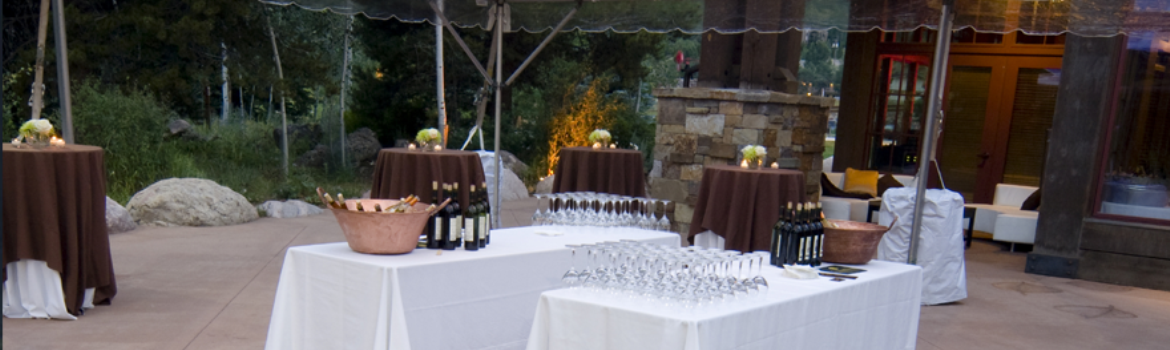
It's that time of year again: it smells like pumpkin spice and everything nice. Which means that it's time to party! But, how do you throw a office holiday party that will be the new gold standard of all company parties? Here's our list of do's and don'ts so that you don't miss a beat, and let the good times roll.
Get the Party Started Right
Don't wait until the last minute.
A last minute, thrown together party is almost always a recipe for disaster. Do you have enough tables to seat everyone, are there planned activities, what time is your party, do all of your employees get a +1 to the event, and don't forget, where are you going to stash all of your supplies and furniture?
Do plan ahead.
Dreaming of awesome party decorations, new furniture, and making room for a dance floor? Your dream can come true. Order your favorite new decorations, and leave them with us in our storage facility. We can deliver furniture and materials needed for your office holiday party, set up a festive layout, help you takedown your party, and then pickup everything and leave it in our storage.
Music
Don't forget the music.
In the words of a wise man we know, "A corporate party without music is not a party, it's a meeting."
Do make a music mix.
Whether you make a Motown Mix, pick a Pandora station, or hire a DJ to take requests, music helps set the soundtrack for a festive, fun-filled evening.
Setup & Breakdown
Don't ask your staff to help with breaking down your event.
It's not a party if you have to work.
Do hire help.
From setup to breakdown, it's important to have professionals like Corovan who can help and make your party planning a breeze.
Game Night
Don't leave the entertainment up to your guests.
Nothing is worse at a party than standing by the punchbowl with nothing to do.
Do play games and foster an interactive environment.
Whether you play Shuffleboard or Taboo, there are many games that can help you connect with your fellow employees, and give your guests something fun to do.
Timing
Don't schedule your party during a hectic time.
Are your accountants wrapping up a busy year? Do your engineers and creatives have a looming deadline? Don't schedule the company party without checking in with several departments and seeing how much everyone has on their plate.
Do hold your party at a convenient time.
Host a company lunch or an early dinner to show your company's appreciation so that everyone has a chance to spend time with each other without having to rush home to their families.
Food
Don't mistake appetizers for dinner.
If you're scheduling a party anywhere from 5-8 p.m., assume that your guests haven't eaten and don't let your guests leave hungry. (Like a rainbow colored unicorn, we have yet to meet someone who doesn't like dessert!)
Do serve a variety of food, and make sure there is something for everyone.
Remember the vegetarians, the food allergies, and picky eaters by serving a diversity of options. A mix of healthful options like salad, grilled veggies and comfort food like BBQ allows everyone to find something that they like.
Now that you've got what it takes to throw a stress-free, fun, and festive company party. Just remember to plan ahead, get help from the workplace change experts for setup and breakdown, provide your guests with awesome entertainment, and, most important, enjoy yourself!

Warehouse Storage: The Benefits You Never Knew
It's the end of the year. The office is busy, busy, busy. Sales teams are wrapping up their Q4 goals, fulfillment is shipping out holiday orders, your accounting department is in overdrive—and half the team has holiday travel plans. Here are 5 ways that your business can benefit from warehouse storage during the holidays (and throughout the New Year!)
1. The First Step to Growing Your Business
Do you have boxes of inventory, and need more production space? Warehouse Storage gives you access to your inventory when your business needs it, and frees-up your office space so that you can work in a more productive environment. It allows you to focus on your business, and gives you room to expand.
2. Holiday Helper
Need business storage for all of your office holiday decorations, party games, and furniture? Warehouse storage allows you to order your décor in advance, without overcrowding your office, and gives you a convenient space to store it all for the company party next year.
Facilities Support—even for the holidays
Corovan can help you transform your office into the perfect party venue, and we will store all the holiday furniture and decorations, too! Make room for your holiday party.
3. Take Control of Your Renovation or Relocation
We've highlighted why and when you should move your business before, but the real question is, how do you handle the day-to-day demands of work and balance it with completing your renovation or relocation? In order to clear a path for yourself at work, you need to literally clear out your office. Is there extra inventory, too much furniture for your new space, or do you need a place to temporarily store stuff while you make your move? Business storage is a valuable solution that makes it easier to renovate your office and focus at work.
4. Improve Installation
Preparing for a new art, hotel, or hospital installation? Keep critical systems running while making improvements to your location with warehouse storage. Consider storing anything from artwork for your next show to extra furniture for your remodel, so that your customers aren't impacted by your installation and still receive quality customer service from your business.
5. Maximize Your Fulfillment
Mailing out inventory to different parts of the country? Choose to house your inventory in different warehouse storage locations nearest your client base and cut-down on the cost of shipping and overhead for your business. This reduces time, money, and is a great way to improve customer service.
We know that the holidays are the busiest times for businesses. Take a load off by using the benefits of warehouse storage. As an added benefit, you only pay for the space that you use, making warehouse storage a cost-effective solution for your office. So, whether you're trying to grow your business, need space for extra inventory, are looking to maximize your fulfillment, or just need a space for all of your party supplies, Corovan can make wrapping up the end of your year less stressful and easier to manage.
5 Office Space Trends
As your business wraps up this year's final quarter, it's only too easy to reflect on how your business performed—not how your business space performed. Yet it's critical to evaluate how your facilities support your company goals, employee satisfaction, and overall productivity.
1. Maximizing Office Space the Right Way
As the price per square foot for office space rises across the country, only 40% of American workers spend their 9-to-5 hours in their own private office.
Getting the most from your floor plan doesn't necessarily mean cramming every mid-level employee or new hire into a 4x6 box—especially when 93% of cubicle-dwellers hate their workspaces and deem them to be a stressful drain on productivity. (Yahoo Finance)
While the open-plan layout isn't going away, forward-thinking workplaces are repurposing wasted or dormant space by creating designated "zones" for different purposes like brainstorming, taking phone calls, employee training, or quiet reflection.
2. Keeping Employees Engaged
Perhaps it's a side effect of start-up culture and casual workplaces, but employees now expect a level of control and autonomy in the office. This can be a challenge when their wants and needs don't align with the direction or purpose of the company. However, numerous studies show that listening to employees can boost engagement, productivity and happiness.
At more and more companies, individual teams or departments design their own floor plan based on their purpose and how those team members best interact with each other. Rows of cubicles become pods of 3 or 4 desks to encourage collaboration and information-sharing. Changes can be cosmetic, too. Coffee tables and couches replace conference tables. Edison light bulbs replace overhead fluorescence. Retro-style mini fridges give employees space to store lunch closer to their desk than one in the larger communal kitchen.
In this new reality, the facilities manager collaborates with employees, and retains control over the purchasing process . . . while still keeping an eye on the budget and building codes.
3. Meeting the Demand for Creative Space
A-list companies such as Google, Microsoft, and Apple have set the precedent for corporate campuses: efficient, attractive creative office spaces that anticipate both the life and work needs for employees. Granted, most companies cannot offer dry cleaners, yoga studios, day care, and 24/7 meals. They instead design vibrant offices that encourage the productivity and creativity of coworkers—whether they're onsite every day, telecommuting a few days a week, or job sharing. From themed conference rooms, 50s-style diner kitchens, and barista-staffed coffee bars to built-out patios and roof decks suitable for meetings or company celebrations, employers are providing stimulating environments appropriate to their corporate culture where employees can thrive.
4. Minimizing Excess, Maximizing Organization
One by-product of open-space plans is that clutter and those spare orphaned office chairs literally have no place to hide. While this is bad news for the disorganized or those who proclaim "clutter equals genius," it's a boon for a company's image productivity, and efficiency.
Though the paperless office may still be a myth for many businesses, the reality of digital archiving and warehouse storage can turn any office into a model workplace. A streamlined office free of clutter is safer, more attractive to clients and vendors, and allows employees to be more productive, focusing on their work instead of where to find it among the piles of stuff.
5. Furniture That Works for Individual Space
These days, comfortable, quality furniture and personal workspaces are just as much an onsite necessity as free sodas or coffee. They keep employees motivated, working consistently at their desks, and free from chronic pain or injury—also a boon for a company's bottom line. Businesses who consider employees their most important asset are investing in furniture solutions such as benching systems, standing or treadmill desks, ergonomic accessories, comfortable seating and translucent panels for open-plan workstations.
The world of work is always changing—and with all your daily responsibilities, it can be hard to keep up. Don't hesitate to call on the workspace professionals at Corovan to help you make sense of current trends and how to prepare for them.
The Rise of the Creative Office
You've heard of it, you might have secretly envied the 24/7 sushi bar at Google, or maybe you work in such a space already—but the creative office space trend is picking up serious momentum. Its origins possibly date back to the dot-com era when startup companies preserved their limited capital by buying spare doors and sawhorses instead of traditional desks (Amazon's Jeff Bezos started out this way) and has picked up in the renaissance of tech boom 2.0 as companies look to attract and retain more casual, collaborative IT engineers, programmers, Millennials and “creative economy types” like designers.
There is no one set model for what constitutes creative space. While in many cases, it's a "you know it when you see it" situation, the creative office tends to be typified by:
- Open floor plans where offices are few and coworkers share the same workspace, or even sit and work together
- Nontraditional offerings like coffee bars, yoga studios, and game rooms
- Incorporating the existing architectural features and character of the space or building, as opposed to hiding them behind drop ceilings or bland beige walls
- Lower, transparent panels and more natural light to supplement or replace overhead fluorescents
- New twists on standard office amenities, such as treadmill desks, fun themed kitchens and break rooms, and outdoor balconies or exterior space that can be used as team meeting places or for larger company events
- Nonstandard conference rooms: whether sized to fit four people or forty, the standard prefabricated board-room style table has been replaced with modular furniture for different configurations, rolling SMART Boards, and even bean bag chairs.
Get started with your own creative office:
If you've been curious about the possibilities of the creative office for your company, contact the Facilities Services and Support team at Corovan for a complimentary brainstorm session.
Let's Get Practical
Creative office spaces are not all about fun and whimsy, however—there are practical applications, too, namely to facilitate technology and enable the fast pace of modern-day business.
Even more traditional corporate firms incorporate aspects of creative space. It can reflect the sophistication of a corporate brand, attract a certain type of clientele, attract talent, and even reduce absenteeism and costs associated with repetitive injuries for both employers and employees, thanks to ergonomic furniture and stand-up desks.
It can also impact a company’s bottom line: as the square-foot price of commercial real estate has gone up, companies have compensated by increasing occupancy in their current space or downsizing to smaller quarters and doing away with traditional cubicle-based layouts that require more room per employee.
In essence, the days of workers spending eight hours at a desk are over. The individual workstation is just a starting point—conceivably, the whole office has the potential to become an employee’s workspace. An employee may start their day at their desk, but spend time in conference rooms grabbing a quiet moment, meeting in a kitchen, or Skyping with remote colleagues at a corner "touch down" table meant for impromptu quick meetings. And in comfortable, aesthetically unique surroundings, employees aren't in a rush to hit the exits come 5 PM.
In the creative workspace, traditional desks give way to stand-up desks or benching systems. Benching arrangements put teams together in dinner table-like configurations that foster collaboration for larger groups of people in less square footage.
Creative Office Space Inspiration
Looking for a sleek way to modernize your workspace? Corovan recently installed stylish and space-saving desks for a software client in San Diego, while also incorporating office furniture to make the most of their workspace. Learn more about our services >>
It's Time to Rearrange
In the new paradigm, don’t be surprised to see the old CEO corner office model replaced by execs sitting with the rank-and-file or rotating offices every quarter or so to get face-time with, or daily exposure to, different facets or teams in the organization.
While employees may be getting more up close and personal with their neighboring colleagues than in the past, privacy and noise levels become a concern. This is ameliorated by acoustic or noise-dampening measures like carpeting, dropped ceilings, walls, partitions, and even white noise machines in the background.
Is the trend just another flash in the pan? Our prediction is “no,” given:
- the demands of the 24/7 globally linked economy
- the competitive need to attract a highly qualified workforce
- the increasing importance of corporate brand
- the passive growth from building owners or management companies who will need to decide if the cost of refitting creative offices for new tenants is worth the investment.
Next: [Part 2] Considering a Creative Office? Here's What to Know First »
Creative office spaces may be de rigueur these days for ad agencies and software companies. But in addition to looking great, they have business and strategic advantages for almost any type of business or organization, when thoughtfully deployed. Our special three-part series examines the trend and how your company might benefit.
Creative Office Space Planning
Considering a Creative Office Space? Here’s What to Know First
HR departments have long understood the lure of a strong employee benefits package to help attract and retain employees, but more and more employers and facilities managers are hopping on board the creative office space trend and coming around to the idea of another, less tangible benefit: a comfortable workplace that fosters creativity and/or collaboration so employees can do great work.
Understand the difference between "creativity"; and "productivity"
Do you need more big thinking or more collaboration? Certainly, creative office spaces foster productivity, collaboration, and innovation when employees have the space to gather, brainstorm, work together, and take quick coffee breaks. Carving out a space that fosters innovation helps your business achieve goals faster when speed is the name of the game. All employees involved in special projects communicate faster, easier, don't wait for emails and fosters hyperfocus on one thing that needs to be done. The balance tilts toward getting things done as opposed to a “ cool space for cool’s sake.” Both the collaborative and creative office spaces encourage employee engagement.
If your goal is to break down "workplace silos," consider a rotating floor plan where teams move locations every six months, putting them in proximity to others, encouraging collaboration and building better interdepartmental relationships. Or take it to step further discuss with your consultant how your business can carve out an area that is exclusively designed for teams to improve in speed and communication on a project by project basis.
Ignore the traditional square footage per employee guidelines
The old standards of 175-250 square feet per employee or 150-400 square feet for executive offices aren’t as relevant, or uniform, in today’s more open floor plans. UX engineers may need larger desks for their computer needs. Employees in HR, Finance, or who deal in confidential information may require a bigger footprint if they need locking files or their own dedicated printer.
Consider the needs of your employees & teams
Boomer or Gen X employees (more used to having offices during their careers) may need privacy screens. Millennials may just need a sweet pair of headphones. Introverts or those whose work requires more attention or discretion may need to be situated away from noise or high traffic patterns.
When grouping salespeople or call center personnel together, determine if closer quarters interfere with concentration or help create a constructively competitive atmosphere where successful closes are celebrated and used to motivate others. It’s important, however, to strike a balance between individual workspaces that increase focus, and community space, which facilitates impromptu or planned teamwork.
Related Article:
When evaluating how your business is doing, it's only too easy to reflect on how your business performed— not how your business space performed. Yet it's critical to evaluate how your facilities support your company goals, employee satisfaction, and overall productivity. Read Office Space Trends for 2015 to learn what savvy companies are examining this year »
Working arrangements should be flexible
The old paradigm of employees spending 9 to 5 at their desks is long over and employers should adjust their expectations to reflect this. In a creative office, employees tend to be mobile, turning any quiet corner or outside park bench into a meeting place or workspace. Other companies have reduced costs by implementing shared workspaces or allowing certain employees to work from home most days when they don't have an important face-to-face meeting. The result for employers is often a positive impact on employee retention, satisfaction, and success.
Let employees exert some control over their environment
A 2005 study found that productivity, cohesion, satisfaction and morale decline when employees have no influence on or input into their environment. These fixes can be as simple as using modular furniture and rolling whiteboards in conference rooms to create different layouts or making temperature controls and lights more accessible.
Know what your company mission and culture can support
“Creative space” may not be the answer for every firm. For instance, a white-shoe law firm would not have a video game room like Facebook, but a smaller law firm focusing on start-ups might. It's also important to take the needs and expectations of clients or vendors into account when redesigning space.
One compromise might be demarcating employee-only creative space from work or meeting space by using more comfortable, approachable furniture to encourage use without looking like a toy company. Décor should be suitable to the corporate tone.
Get Started:
Don’t let the opportunity pass you by—contact the Corovan experts to help you determine the best possible solution for your workforce and industry. Leverage our experience today.
Next: [Part 3] What Does a Creative Office Space Looks Like? Real-Life Ideas
Creative office spaces may be de rigueur these days for ad agencies and software companies. But in addition to looking great, they have business and strategic advantages for almost any type of business or organization, when thoughtfully deployed. Our special three-part series examines the trend and how your company might benefit.
What Creative Office Space Looks Like
You may be wondering, “How prevalent are creative offices anyway? Well, if the number of blogs dedicated to them is any indication, creative office space is only gaining more traction. And, no discussion would be complete without some visual examples. So, we've rounded up a few amazing ideas from California companies to get your imagination going.
Blankspaces's Creative Office Space, Los Angeles
This small company of co-working spaces takes startups out of their local Starbucks and puts them into adaptable professional office space for the short-term, featuring coworking tables, bench arrangements, and modular offices that can be reconfigured for different occupants. The open flow of the office allows for mingling and networking among the companies taking up temporary residence.
Belkin's Creative Office Space, Playa Vista
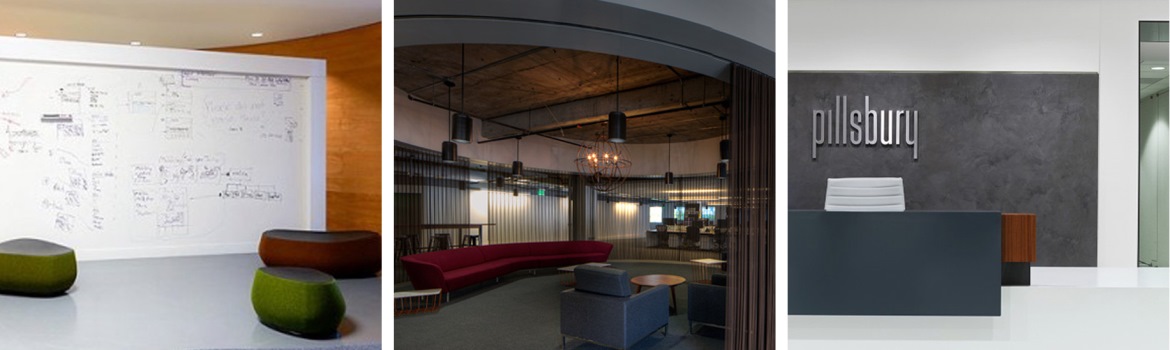
The computer peripherals manufacturer combines both the traditional and the quirky to successful effect. Note that while employees are grouped into a more traditional-seeming institutional configuration of rows, it doesn’t have a drudge-like feel due to the green privacy panels, wall accents, and wall of windows. Meanwhile, sparsely-furnished conference rooms focus employee attention on the business at hand playing out on the white boards—and off of their mobile phones, since there are no tables to hide behind.
When grouping salespeople or call center personnel together, determine if closer quarters interfere with concentration or help create a constructively competitive atmosphere where successful closes are celebrated and used to motivate others. It’s important, however, to strike a balance between individual workspaces that increase focus, and community space, which facilitates impromptu or planned teamwork.
ZURB's Creative Office Space, Campbell
This Silicon Valley design firm’s space recently won an architectural award for excellence, and can be configured for a number of corporate and community events. In addition to the transparent meeting rooms, it incorporates kitchen space in the heart of the working area, and perhaps an underestimated feature: furniture that walks that unique line of being suitable both for an office and for home.
GET STARTED:
Inspired to take the next step toward the office layout of your and your employees' dreams? Contact the Project Management expert team at Corovan to see how you could transform your space into an open plan of creativity and collaboration.
AKQA's Creative Office Space, San Francisco office
While the central impromptu conference area is somewhat dramatic, you can definitely see how the open workspace plan and existing architectural features like concrete and pipes remain to give the California HQ of this global ad agency some texture and individuality.
Pillsbury Law's Creative Office Space, San Francisco
It’s understandable if you thought this was an Architectural Digest article on some hotshot Hollywood director’s home, with great water views. But no, this SOMA-based law firm specializes in some decidedly non-artsy areas like patents, trade law, real estate and energy financing.
Pixar's Creative Office Space, Emeryville
From the Atrium welcome committee from Monsters, Inc. to tiki cabin offices for animators, to a wood fired pizza over and cereal bar, the goals for the building include collaboration, artistic freedom, to get people to mix and mingle (there’s only one set of bathrooms), and maybe even to take pride in all their Oscars.
Creative office spaces may be de rigueur these days for ad agencies and software companies. But in addition to looking great, they have business and strategic advantages for almost any type of business or organization, when thoughtfully deployed. Our special three-part series examines the trend and how your company might benefit. Go to Part I: The Rise of the Creative Office >>
(Photo credit left - Office Snapshots, Belkin | middle - AKQA | right - Office Snapshots, Pillsbury Law)